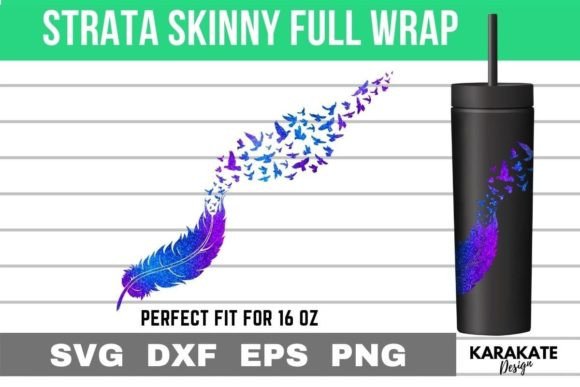
Fluttering Feathers
A Design for Delicate Craft Projects
As a designer who regularly works with embroidery files, I often find myself evaluating the practicality of a design before committing to use it in a real project. Fluttering Feathers caught my attention not just for its aesthetic appeal but for its potential in a variety of craft applications. The design’s theme—soft, flowing feathers—suggests a gentle and elegant look that could work well in both personal and commercial settings.
First Impressions: A Visual Mood
The first thing I noticed about Fluttering Feathers was its mood. It feels light, airy, and almost whimsical. The feather shapes are delicate yet detailed, with subtle variations in stroke and curvature that give them a natural, organic feel. This makes the design ideal for projects that require a soft touch, such as baby items, holiday gifts, or boutique branding.
The layout is clean and uncluttered, allowing each feather to stand out individually. There's a balance between detail and simplicity, which is crucial when considering how the design will translate into physical embroidery. The transparent background adds versatility, making it easy to adapt to different fabric colors and textures.
Real-Life Use Cases
When thinking about where Fluttering Feathers would fit best, I immediately considered a few common embroidery scenarios. For instance, using it on a custom tote bag could add a touch of elegance to a practical item. Similarly, adding it to a sweatshirt or t-shirt would create a subtle yet eye-catching design that appeals to those looking for personalized apparel.
I also thought about baby clothing and nursery decor. The softness of the design aligns perfectly with the gentle nature of these products. Whether it's a onesie, a bib, or a wall hanging, Fluttering Feathers has the potential to be both beautiful and meaningful.
Another scenario I imagined was using the design on an embroidered patch. Its intricate details make it suitable for small-scale embroidery, and the transparency allows for easy customization of the background color. This opens up possibilities for creating unique patches for caps, aprons, or even jewelry.
Considerations for Real-World Embroidery
While Fluttering Feathers looks promising on paper, there are several factors to consider before using it in a real project. One important aspect is stitch density. The design features intricate details, which means the stitch count may be higher than average. This could affect the overall stitching time and the need for proper stabilizer to prevent puckering or distortion.
Additionally, the design may not perform well on very thin or stretchy fabrics. The delicate nature of the feathers requires a stable base, so using a quality stabilizer is essential. Testing the design on scrap fabric first is always a good idea, especially if you're unsure about how it will behave on your specific materials.
For dark-colored fabrics, the contrast between the design and the background might be less pronounced. It's worth testing the design in black and white mockups to ensure visibility. Similarly, on textured fabrics, some details might not show up as clearly, so it's important to review the file closely before proceeding.
Design Quality and Practical Value
Fluttering Feathers offers a high level of detail, which is great for those looking to create visually appealing handmade products. However, this level of detail also means that the design requires careful handling during the embroidery process. The file format provided—SVG, DXF, EPS, and PNG—offers flexibility, making it suitable for a wide range of embroidery machines and software.
From a business perspective, the design has the potential to enhance brand consistency and customer trust. If used in a consistent manner across multiple products, it can help build a recognizable brand identity. For Etsy sellers or small shop owners, this design could serve as a valuable asset in their digital product library.
Design Notes for Embroidery Professionals
If you're an embroidery designer or a craft business owner, here are a few notes to keep in mind:
- Test the design on scrap fabric first to see how it performs on your specific materials.
- Check thread color contrast to ensure visibility on different fabric backgrounds.
- Review stitch density to determine whether it fits your machine’s capabilities.
- Confirm hoop size to avoid issues with scaling or positioning.
- Inspect small details to ensure clarity and precision in the final product.
- Use proper stabilizer to maintain fabric integrity during stitching.
- Test in black and white mockups to evaluate visibility on dark or light fabrics.
- Compare light and dark fabric backgrounds to ensure the design remains effective in various contexts.
- Check licensing terms before selling finished items or digital products.
Whether you're working on a custom apparel project, a personalized gift, or a commercial embroidery design, Fluttering Feathers has the potential to elevate your work. With the right preparation and attention to detail, it can become a versatile and valuable addition to your design toolkit.