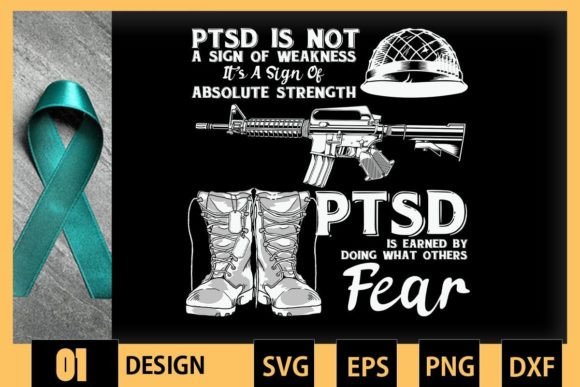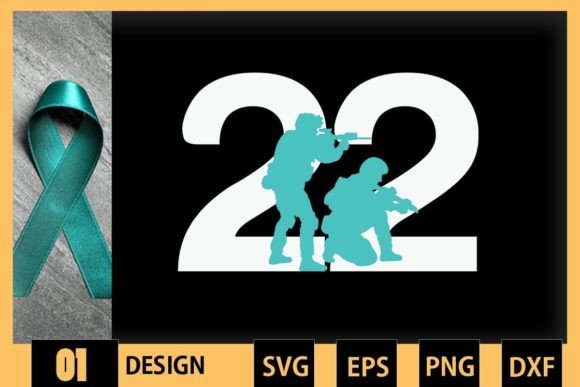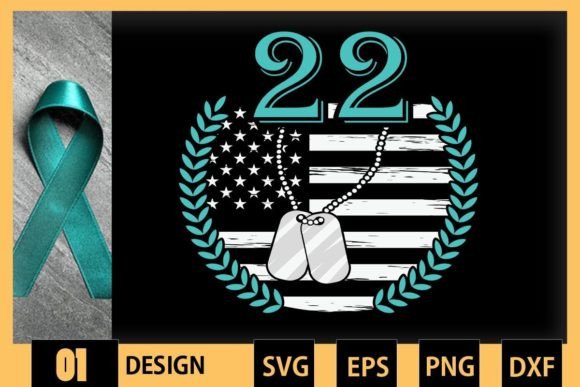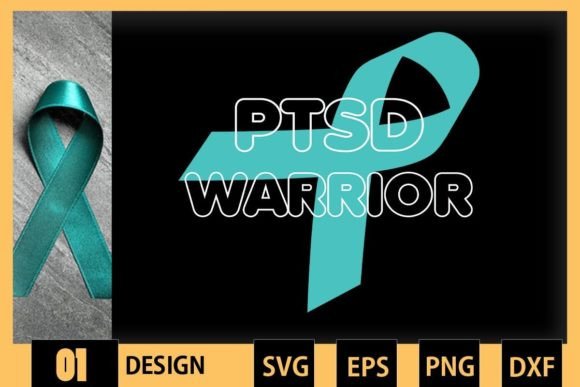
22 PTSD Awareness Posttraumatic Stress
First Impressions: A Mood of Awareness and Resilience
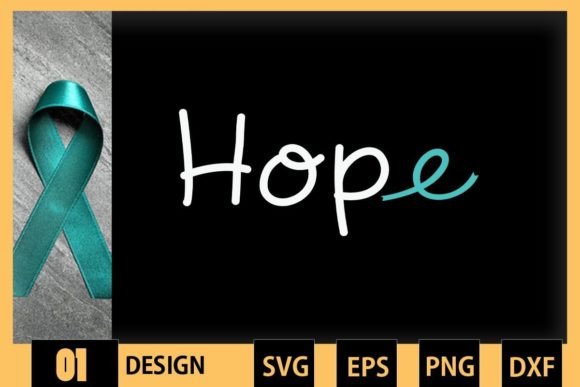
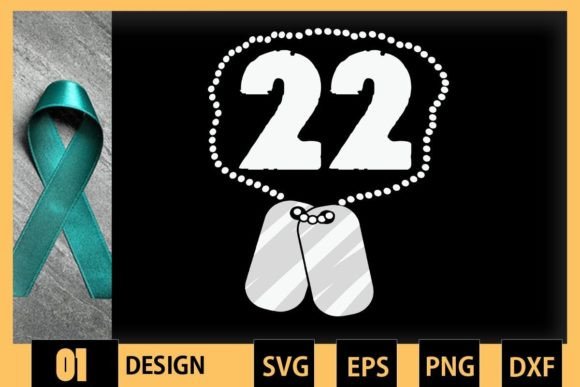
The moment I opened the ZIP file for 22 PTSD Awareness Posttraumatic Stress, I was struck by its quiet strength. The design carries a somber yet hopeful tone, with clean lines and subtle details that speak to the complexity of trauma and recovery. It’s not overtly dramatic, but it feels deeply intentional—like a visual reminder of courage in the face of adversity.
Design Layout and Detail Level: Practical for Real Projects
Looking at the layout, 22 PTSD Awareness Posttraumatic Stress is structured with precision. The central motif is bold enough to stand out, yet the surrounding elements are carefully balanced to avoid overwhelming the viewer. This makes it ideal for use on items like sweatshirt embroidery, personalized gifts, or custom apparel.
The detail level is moderate, which means it won’t require excessive stitching time or complex machine settings. However, it does include some intricate corners and decorative accents that could pose challenges when working with textured fabrics or stretchy materials. As a designer, I would recommend testing this design on scrap fabric first to ensure stitch clarity and alignment.
Real-Life Use Cases: From Tote Bags to Baby Clothes
22 PTSD Awareness Posttraumatic Stress has broad applicability across various craft projects. For instance, using it on a tote bag design or a pillow cover can add meaningful symbolism to everyday items. It also works well on baby clothes or holiday gifts, where the message can be both personal and impactful.
When considering commercial embroidery or small shop products, the design’s simplicity allows for easy scaling and adaptation. However, its emotional weight means it should be used thoughtfully—especially on items like aprons or caps, where visibility and placement matter greatly.
Stitching Performance: Clarity and Durability
From an embroidery standpoint, 22 PTSD Awareness Posttraumatic Stress performs reasonably well. The stitch density is consistent, and the file formats included—SVG, PNG, DXF, and EPS—suggest compatibility with most modern embroidery machines. That said, the design may require adjustments depending on the hoop size and stabilizer type used.
I noticed that the design includes some small lettering and detailed corners, which could be tricky on thin fabric or dark backgrounds. Testing thread color contrast against different fabric textures is essential to maintain clarity and readability. For example, using a bright white thread on dark fabric can significantly enhance the design’s visibility.
Careful Considerations: When to Be Wary
While 22 PTSD Awareness Posttraumatic Stress is versatile, there are certain scenarios where it might not perform as well. On curved surfaces like caps or hats, the design’s edges may stretch slightly, leading to slight distortion. Similarly, dense stitch areas could cause issues on layered garments or textured fabrics.
For holiday embroidery or personalized gifts, the design’s emotional resonance is a plus, but it also means that customers will be paying attention to every detail. Ensuring that the final product looks professional and cohesive is key to maintaining customer trust and brand consistency.
Design Impact: Visual Appeal and Product Value
The visual appeal of 22 PTSD Awareness Posttraumatic Stress is undeniable. Its thoughtful composition and intentional details make it a strong candidate for craft business or Etsy seller listings. However, its value also depends on how well it translates into a finished product. A poorly executed stitch can undermine the design’s impact, especially on handmade products or custom apparel.
As a designer, I’d advise reviewing the design in black and white mockups to assess how it holds up in different lighting conditions. This is particularly important for printable mockups or digital product previews, where the final appearance must match the expectations set by the preview.
Practical Designer Notes: Before You Sell or Use
Before using 22 PTSD Awareness Posttraumatic Stress in a real project, consider these practical steps:
- Test on scrap fabric to check stitch clarity and alignment.
- Review thread color contrast against different fabric backgrounds.
- Confirm hoop size and stabilizer type for optimal results.
- Inspect small details like lettering and corners for potential issues.
- Compare light and dark fabric to ensure visibility and readability.
- Check licensing terms before selling finished items or digital products.
These steps will help you ensure that the final product is both visually appealing and professionally executed, whether it’s for personal use or commercial sale.
Final Thoughts: A Thoughtful Design for Meaningful Projects
22 PTSD Awareness Posttraumatic Stress is more than just an embroidery design—it’s a statement. It carries emotional weight and requires careful consideration when applied to real projects. Whether you’re creating a custom apparel piece, a personalized gift, or a commercial embroidery product, the design’s impact depends on how well it is executed.
As a designer, my advice is to approach this design with care, test it thoroughly, and ensure that it aligns with your brand values and customer expectations. With the right preparation, 22 PTSD Awareness Posttraumatic Stress can become a powerful addition to your design assets and finished product lineup.